
Embark on a journey through the world of trip insurance for international trips with a focus on what's covered. This introductory paragraph sets the stage for an insightful exploration of the topic, offering a glimpse into the importance and benefits of this type of insurance.
Delve deeper into the nuances of trip insurance and discover the various types of coverage that cater to different aspects of your international travels.
What is Trip Insurance for International Trips?
Trip insurance for international trips is a type of insurance coverage that provides financial protection to travelers in case unexpected events occur during their journey abroad. This insurance typically covers a range of situations such as trip cancellations, medical emergencies, lost luggage, and other unforeseen circumstances that may disrupt travel plans.Having trip insurance for international trips is important because it offers peace of mind and financial protection.
Traveling abroad can be expensive, and unexpected events like flight cancellations, medical emergencies, or lost passports can lead to significant financial losses. Trip insurance helps travelers mitigate these risks by providing coverage for various scenarios, allowing them to travel with confidence.Examples of scenarios where trip insurance can be beneficial include:
- Canceling a trip due to a sudden illness or injury
- Reimbursing non-refundable expenses in case of trip cancellation or interruption
- Covering emergency medical expenses while abroad
- Providing assistance in case of lost luggage or travel documents
Coverage Details
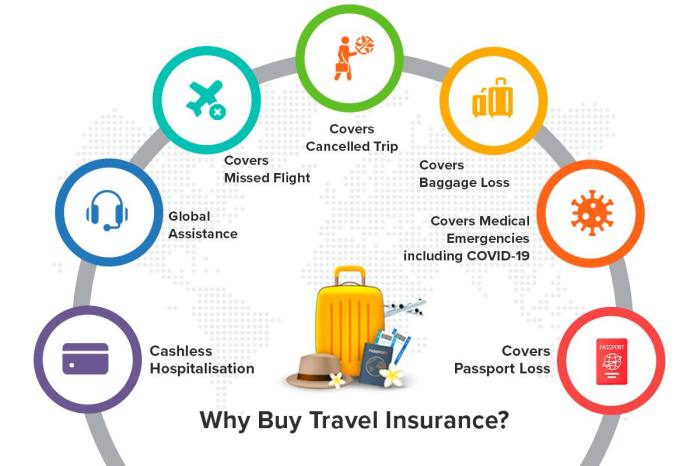
- Trip Cancellation or Interruption Coverage: This protects travelers if they have to cancel or cut short their trip due to covered reasons such as illness, natural disasters, or other unforeseen events.
- Emergency Medical Coverage: This covers medical expenses incurred while traveling abroad, including hospital stays, doctor visits, and emergency transportation.
- Baggage Loss or Delay Coverage: This provides reimbursement for lost, stolen, or delayed luggage during the trip.
- Travel Assistance Services: These services offer 24/7 support for travelers, including help with rebooking flights, finding medical facilities, or replacing lost travel documents.
Types of Coverage Offered
Trip insurance for international trips typically offers a range of coverage options to protect travelers from unforeseen circumstances. These coverage options can vary depending on the insurance provider, but some common types include medical coverage, trip cancellation coverage, and baggage loss coverage.
Medical Coverage
Medical coverage is essential when traveling internationally as it provides financial protection in case of medical emergencies or illnesses while abroad. This type of coverage can include reimbursement for medical expenses, emergency medical evacuation, and repatriation of remains in the unfortunate event of a death.
For example, if a traveler falls ill or gets injured during their trip and requires medical treatment, medical coverage can help cover the costs of hospitalization, doctor's visits, and medications.
Trip Cancellation Coverage
Trip cancellation coverage is designed to reimburse travelers for prepaid, non-refundable trip expenses if they need to cancel or interrupt their trip due to covered reasons such as illness, injury, or other unforeseen events. This type of coverage can provide peace of mind knowing that the financial investment in the trip is protected.
For instance, if a traveler needs to cancel their trip at the last minute due to a family emergency, trip cancellation coverage can help recover the costs of flights, accommodations, and other non-refundable expenses.
Baggage Loss Coverage
Baggage loss coverage helps travelers recoup the cost of personal belongings lost, stolen, or damaged during their trip. This type of coverage can include reimbursement for lost luggage, personal items, and essentials needed for the trip. For example, if a traveler's luggage is misplaced by the airline or stolen during their trip, baggage loss coverage can assist in replacing the lost items and ensuring the traveler has necessary belongings while away from home.
Coverage for Medical Emergencies
When it comes to international trips, having coverage for medical emergencies is crucial. Medical emergencies can arise unexpectedly and having the right insurance can provide peace of mind and financial protection.
What is Typically Covered?
- Emergency medical treatment for illnesses or injuries during the trip
- Hospital stays and medical procedures
- Emergency medical evacuation to the nearest adequate medical facility
- Repatriation of remains in case of death
Importance of Medical Coverage
Medical coverage is of utmost importance during international travel due to various reasons. Healthcare costs in foreign countries can be exorbitant, and having insurance ensures that you receive necessary medical care without worrying about the expenses. Additionally, language barriers and unfamiliarity with local healthcare systems can make it challenging to navigate medical emergencies without proper coverage.
Examples of Covered Medical Emergencies
- Accidents resulting in fractures or injuries requiring medical attention
- Sudden illnesses such as heart attacks, strokes, or severe infections
- Emergency surgeries due to appendicitis, gallbladder issues, or other acute conditions
- Medical evacuation in remote areas where adequate healthcare facilities are not available
Coverage for Trip Cancellation or Interruption
Trip cancellation or interruption coverage is a crucial component of trip insurance for international trips. This coverage provides financial protection in case you need to cancel or cut short your trip due to unforeseen circumstances.
Examples of Situations Covered:
- Illness or injury that prevents you from traveling
- Death of a family member
- Natural disasters affecting your travel destination
- Unexpected job loss
Importance of Coverage:
Having trip cancellation or interruption coverage is essential for international trips due to the higher costs involved and the increased likelihood of unforeseen events. Without this coverage, you risk losing a significant amount of money if you need to cancel or change your plans unexpectedly.
Coverage for Lost Baggage or Delayed Flights

When it comes to trip insurance for international travels, coverage for lost baggage or delayed flights is a crucial aspect to consider. This coverage can provide peace of mind and financial protection in case of unexpected travel disruptions.
Coverage for Lost Baggage
- Trip insurance typically covers the cost of replacing essential items in your baggage if they are lost during your trip.
- Common scenarios where travelers may need this coverage include baggage being misplaced by airlines or stolen during transit.
- This coverage can help reimburse you for the value of the lost items, allowing you to replace them without incurring additional expenses.
Coverage for Delayed Flights
- If your flight is delayed for a certain amount of time (as specified in your policy), trip insurance can provide coverage for additional expenses such as accommodations, meals, and transportation.
- Travelers may need to rely on this coverage when facing unexpected flight delays due to weather conditions, mechanical issues, or other unforeseen circumstances.
- Having coverage for delayed flights can help mitigate the financial impact of extended waiting times at airports or unexpected overnight stays.
Exclusions and Limitations
When it comes to trip insurance for international trips, it is crucial to understand the various exclusions and limitations that may apply to your policy. Being aware of these can help travelers avoid unexpected issues or denied claims during their trip.
Common Exclusions and Limitations
- Pre-existing medical conditions: Many trip insurance policies do not cover medical expenses related to pre-existing conditions that were not disclosed before purchasing the policy.
- High-risk activities: Coverage may not apply to injuries sustained while participating in high-risk activities such as extreme sports or adventure activities.
- Travel to excluded destinations: Some policies may exclude coverage for travel to certain high-risk destinations or countries under travel advisories.
- Alcohol or drug-related incidents: Claims related to accidents or incidents caused by alcohol or drug use may not be covered.
Importance of Awareness
Understanding these exclusions and limitations is essential for travelers to avoid unexpected financial burdens during their trip. Failing to disclose relevant information or engaging in excluded activities can lead to claim denials and out-of-pocket expenses.
Examples of Situations
- If a traveler sustains an injury while engaging in a high-risk activity like skydiving, the medical expenses may not be covered by the insurance policy due to the exclusion of such activities.
- In case of a medical emergency related to a pre-existing condition that was not disclosed before purchasing the policy, the insurance company may deny coverage for treatment costs.
- If a traveler visits a destination that is under a travel advisory and encounters a travel-related issue, the insurance policy may not provide coverage due to the exclusion of travel to high-risk areas.
Final Summary
Concluding our discussion on trip insurance for international trips, we have unraveled the key insights into what's covered and why it matters. As you plan your next adventure abroad, remember the significance of securing the right coverage to safeguard your journey.
Frequently Asked Questions
What does trip insurance for international trips typically cover?
Trip insurance for international trips usually covers medical emergencies, trip cancellations, baggage loss, and flight delays.
Is trip cancellation coverage important for international trips?
Yes, trip cancellation coverage is crucial for international trips as it protects you financially in case unforeseen circumstances force you to cancel your trip.
Are there limitations to trip insurance coverage?
Trip insurance policies may have exclusions and limitations, such as pre-existing medical conditions or adventure sports. It's vital to understand these restrictions before purchasing a policy.